

Become the container
We don't need more communities. We need more conviction.

Recently, someone asked me why I started With/Creators. It prompted many thoughts, and I can be long-winded so I’m unpacking it here.
We design experiences but we are not a traditional event production agency. We give back to our community, but we are not a non-profit organization. We share stories but we are not an editorial platform. In the simplest shorthand, we are a creative agency. But, at our purest, we’re a container: a space designed to create the conditions for something unexpected to emerge. The inherent structure of everything we do invites people to surrender, receive and reflect truth back into the world.
This is harder to build than an event. A container demands intention at every layer. It’s less about what we produce and more about what we make possible. Our core ethos is simple: utilize the spaces we cultivate to remind people they matter.
I spent nearly a decade in a member-centered hospitality environment, apprenticed to care, and witnessing its potency firsthand. At first it was aesthetic, warm lighting, and a beautiful location. Then it became structural. Who is centered? What are we asking of them? Do people leave more themselves, or less? When I left that job, I carried those questions with me. The deeper my understanding of my calling grew, the more I realized I couldn’t find the room I was looking for. So I built it.
With/Creators’ tagline, redefining modern connection, gave voice to that vision. And in an era where everyone is reaching for community, we stay focused on the catalyst, connection.
Not community as a product, connection as a practice.
This has always kept us on the edge of the multiple industries we occupy, and left people wondering: what is it that they do? I like it that way. We are comfortably situated in the both/and, not the either/or.
That’s what allows us to exist as a container while functioning within a larger creative ecosystem, each benefiting from the other. Our depth of care and meticulous attention to detail informs the work we do, educating the brands we partner with. And the work we win allows us to reinvest, financially and programmatically, into the communities the industry has largely left behind.
Anyone who participates in culture knows what it feels like to leave a room unchanged. To attend something that was planned within an inch of its life and still feel nothing. To sit inside an experience desperate to impress, failing to impact. You’ve been to them, and so have I. Early on, we certainly produced them. But, the more we listened to the people in the room, and our instincts, the more our work began to shift.
As our collective need for belonging continues to exceed what the industry was built to provide, the signals of an inflection point are everywhere. The cultural conversation keeps circling the same tensions: the cost of gathering, what brands owe communities and the belonging industrial complex, because they’re unresolved. Capitalism is now openly profiting from the loneliness epidemic, flooding the experiential market with massive hollow gatherings, loud branding, and nothing underneath. Companies are subtly inserting “community” into everything they do, because the word is worth something now. There’s even an agency representing micro-communities that promises brands “the highest LTV, most engaged, most influential customers.” Community here is not a noun, it’s a targeting mechanism.
At this point, does anyone even know what community means?
The answer to isolation is not hyper-connection. It is not becoming a profiteer of loneliness. It’s something harder and slower, more thoughtful containers. Spaces built with clear intention, for specific people, towards a desired outcome. Not more events. Not more communities. The kind of spaces that create the conditions for something to actually happen inside of them.
That requires conviction.
I often look to the past when I feel a shift emerging. The people who built the most impactful containers in history were less hosts, more facilitators. They built outside the system, not in opposition to it but ahead of it, committed to meeting the needs of their community in the absence of institutions that should have held them.
One Saturday night at a time, in her home on S Street in Washington D.C, Georgia Douglas Johnson created the conditions for Langston Hughes, Zora Neale Hurston and Jessie Fauset to do the work the world wasn’t ready to platform yet. June Wayne founded the Tamarind Lithography Workshop in 1960 to rescue a dying art form the fine art world had dismissed and in doing so, shaped a generation of artists who went on to define it. Walter Gropius built Bauhaus across the ocean on the same premise. A container where art, craft, and industry collapsed into each other because the institutions of the time couldn’t hold that vision. The pattern repeats because the need repeats.
Linda Goode Bryant understood that assignment precisely.
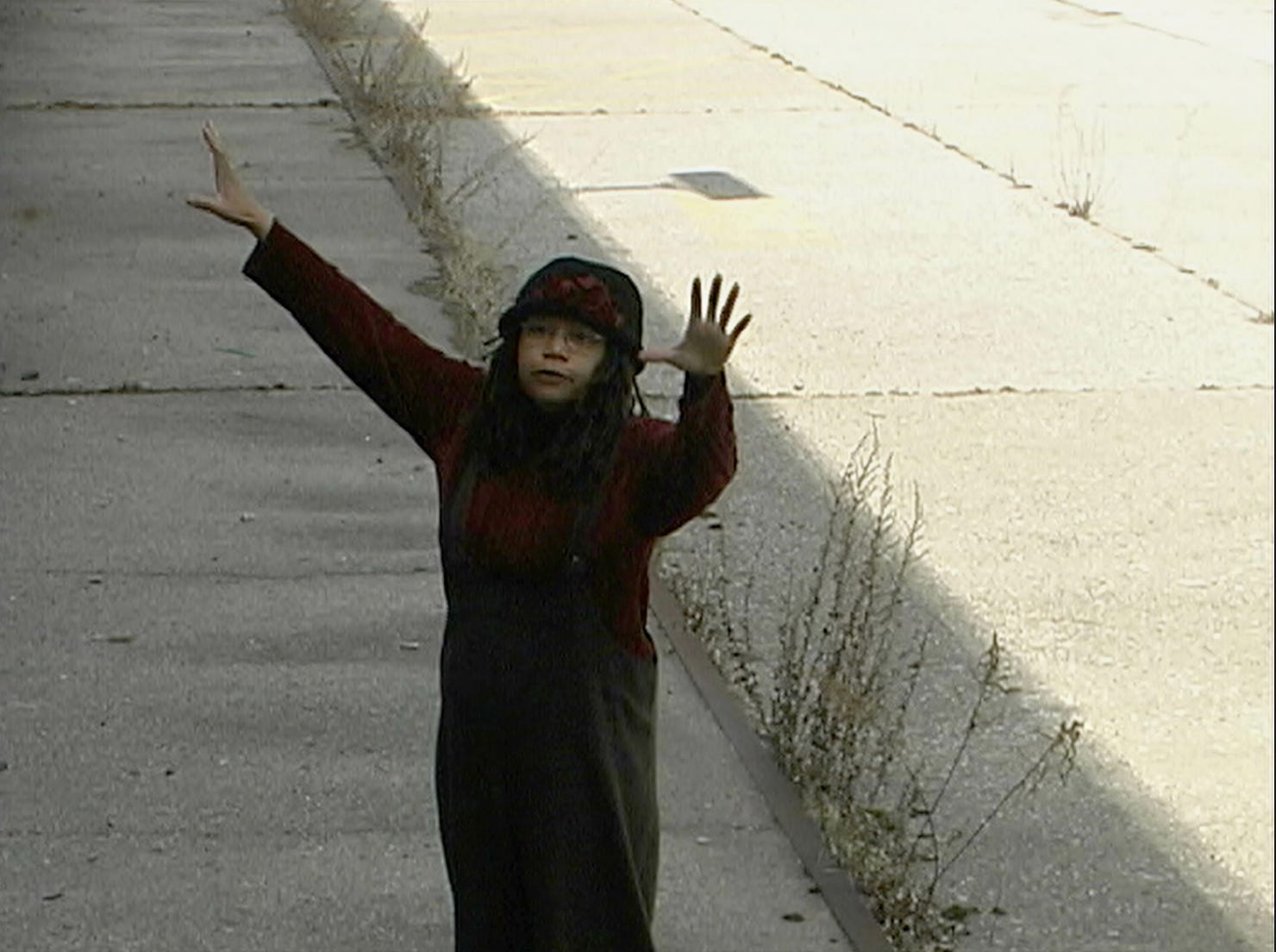


In 1974, the New York gallery system had no architecture for what Black contemporary artists were making. The institutions that should have held them wouldn’t. So Bryant, a 25-year-old mother of two, unbothered by what she didn’t know yet, opened Just Above Midtown on 57th street; in the heart of the most prestigious gallery district in the world, just a few short blocks from MoMA.
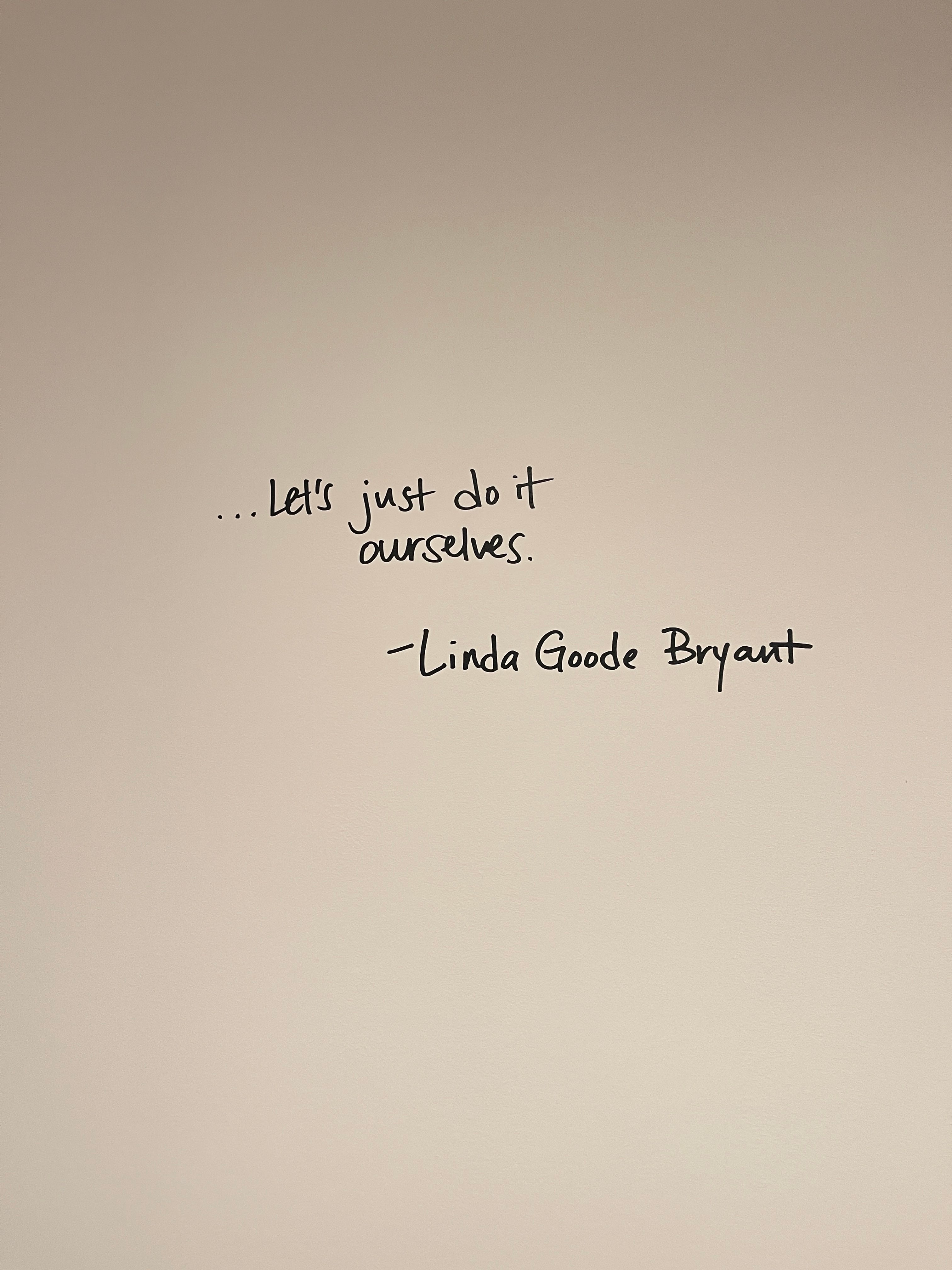
Physically, she was close enough to MoMA to make a point, yet, ideologically distant and too convicted to wait for their blessing. She saw a void, believed the work deserved better, and built a container with whatever was in her hands. JAM became the launching ground for David Hammons, Howardena Pindell and many others.
In 2022, when MoMA held a retrospective 48 years after JAM launched, I was in the room. Standing inside the very institution that once ignored what she built, I felt the weight of her vision. That’s what patience rooted in purpose looks like. Not waiting for the system to validate you but building until the system has no choice but to recognize you. The container transforms possibility into power.
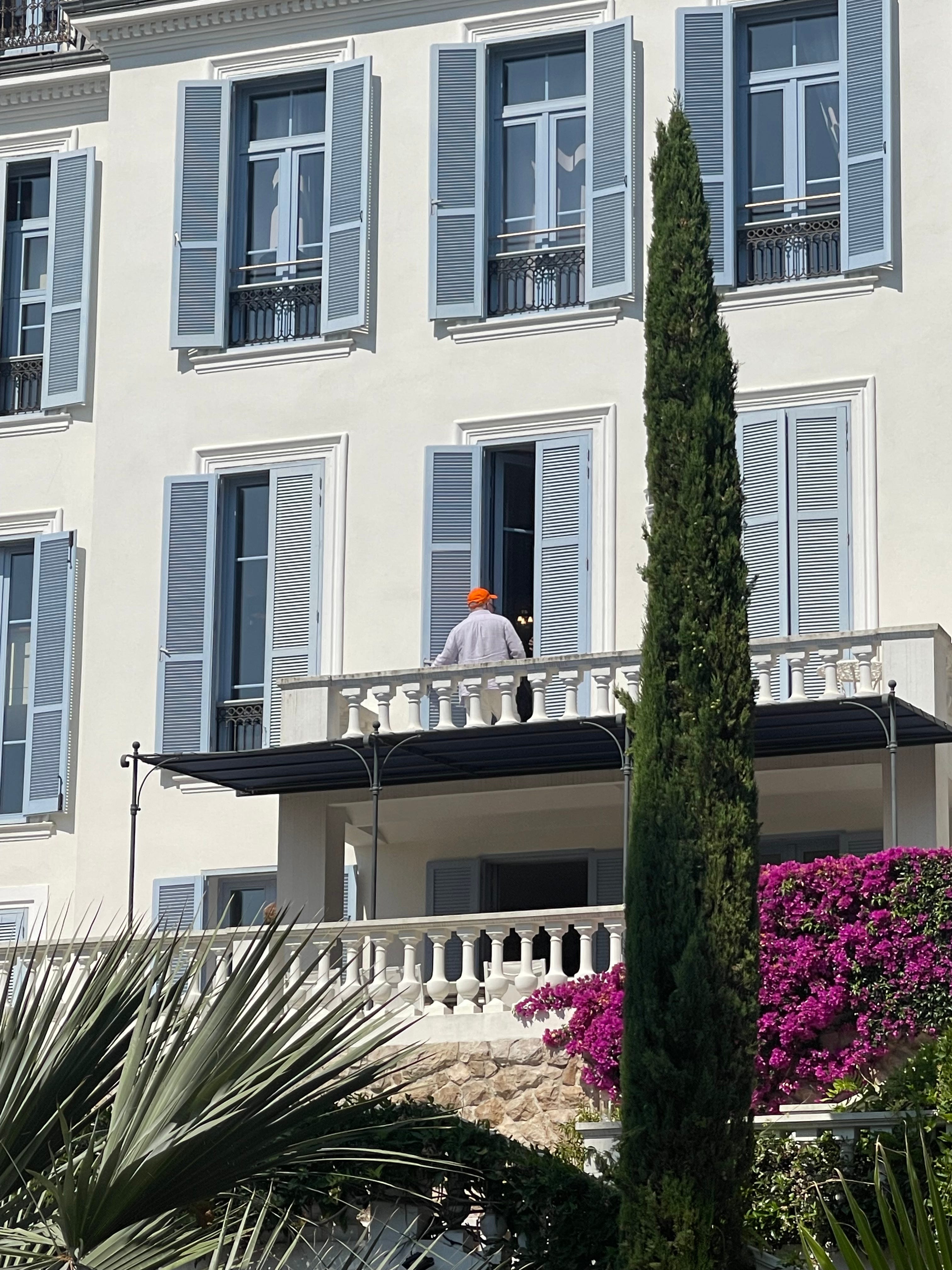
I felt this same conviction during my first trip to Cannes Lions last year. Not on the festival grounds, about a mile out, tucked inside a French chateau at the top of a winding hill. COLLINS House, produced by the design agency of the same name, was a day of programming driven by conversation, curiosity and ideas.
No badge. No stage. No hierarchy. Not included on the main programming schedule.
Before I’d even made it to the door, I waited for a golf cart behind Richard Dickson, CEO of Gap Inc. (I watched him speak on stage at the Palais the day before). The distance between the festival and this hill told me everything I needed to know about the kind of room I was entering, it was a human one.
As I walked into the first talk, I instinctively reached for my badge (a requirement everywhere else) and the owner of COLLINS caught me. He pointed to the sign I’d missed saying “isn’t it nice to just introduce yourself?” playfully, but not joking. That one design decision changed the quality of every interaction that followed. They had brand sponsors, but woven in so discreetly I remembered them only for the conversations they led, not the logos they placed.
Its existence on the fringe of one of the largest creative industry gatherings in the world wasn’t accidental. They intentionally ushered us away from the noise, into an intimate environment that only asked for our presence.
I didn’t start With/Creators because I had a business plan. I started it because I couldn’t find the room I was looking for and I’d spent enough time practicing care to know what it would take to build one. That dissonance between what existed and what was needed is still what drives me nearly six years later.
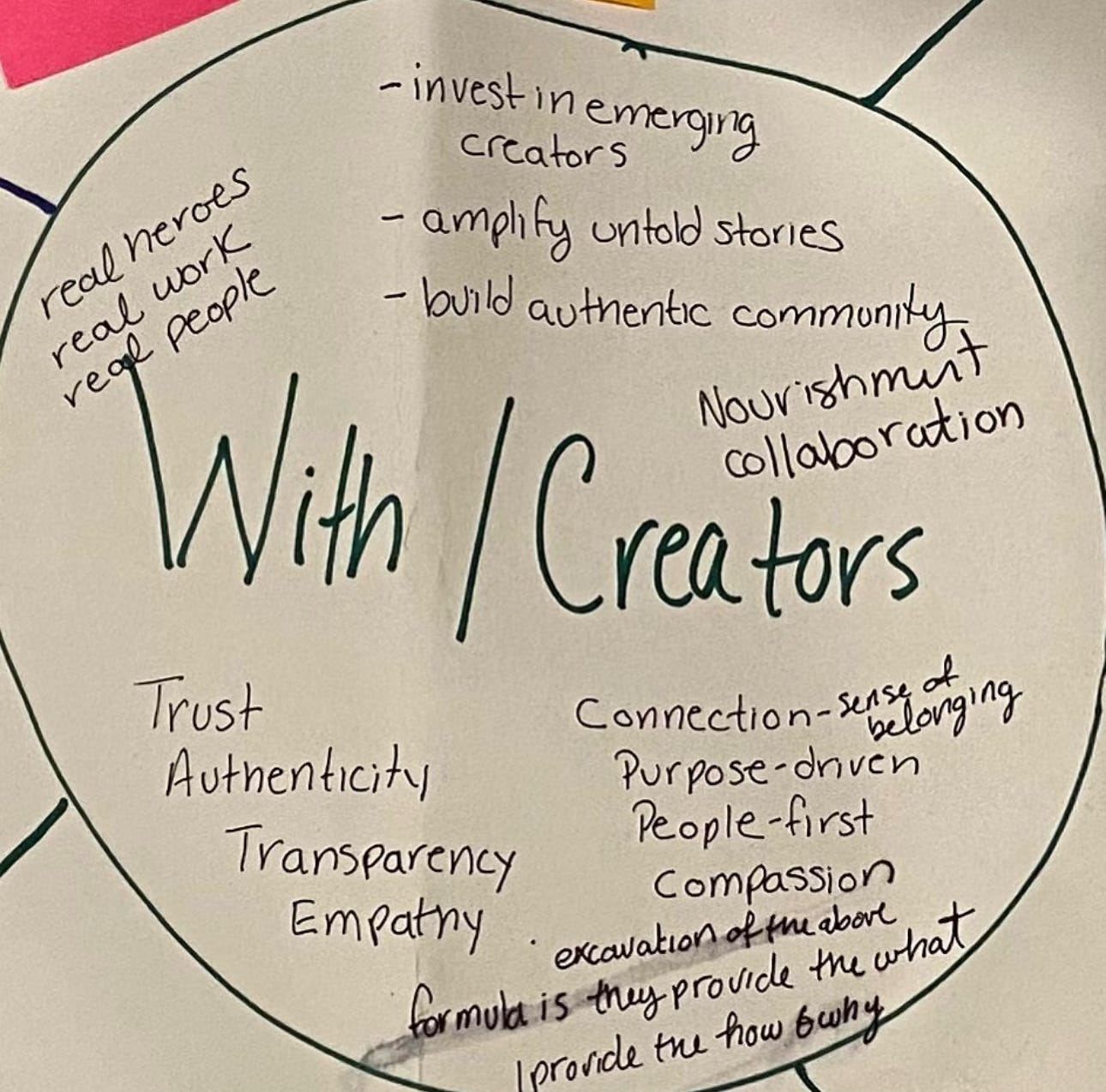
The industry will keep optimizing for scale. Capitalism will keep profiteering from loneliness. The word community will keep getting hollowed out until it means nothing at all. None of this is our problem to solve, and all of it is. We are responsible for one another. And in this moment, it will be the people who lead with conviction, who build outside the system and ahead of it, that will usher us into what comes next.
Toni Morrison said “I’m gonna stay out here on the margin, and let the center look for me.” To that I add, let it find you working. Identify the void. Build with what’s in your hands. Use whatever the system offers without letting the system define you, or stop you. June Wayne worked the grant process. Linda Goode Bryant opened on 57th Street. COLLINS House set up a mile from the Palais. None of them asked for permission, all of them were found.
If you’re a creative, a builder, a visionary of any kind, the world needs what you carry right now. Art has always reflected the times we live in and in seasons of uncertainty, it does something more. It reminds people they’re not alone.
That’s not small work. That is the work.
What gaps can you see? Are you willing to fill them?
Choose conviction over scale, belonging over access and connection over community. Become the container you need, because I know someone else needs it too.
Do your work, beloved.
As always, I pray this blesses who it’s for.
With love and intention,
Jennifer Pauline
Outstanding piece. Thank you for your work and the container you’ve built and continue to maintain. Godspeed 💕
Magnum opus 🖤